Any questions ?
Phone +977-1-6631284
Notice: Test mode is enabled. While in test mode no live donations are processed.
Phone +977-1-6631284
Notice: Test mode is enabled. While in test mode no live donations are processed.
Women’s Health Program
Pelvic organ prolapse (POP) and cervical cancer are two of the most urgent yet neglected health issues affecting women in Nepal. POP affects an estimated 10–42% of Nepali women, with over 600,000 suffering silently due to stigma, poverty, lack of awareness, and limited access to care. Early marriage, multiple pregnancies, heavy labor, and poor nutrition increase the risk yet most women seek help only when the condition becomes debilitating.
Cervical cancer remains the most common cancer among Nepali women, with nearly 90% of related deaths occurring in low-income countries. Many women do not undergo routine screening due to gender barriers, limited health access, or financial hardship, leading to late detection when treatment is no longer effective.
Our Approach
COSAN works directly with underserved communities to prevent, identify, and treat these conditions through:
Programs on POP and cervical cancer focusing on causes, prevention, early signs, and available treatment options.
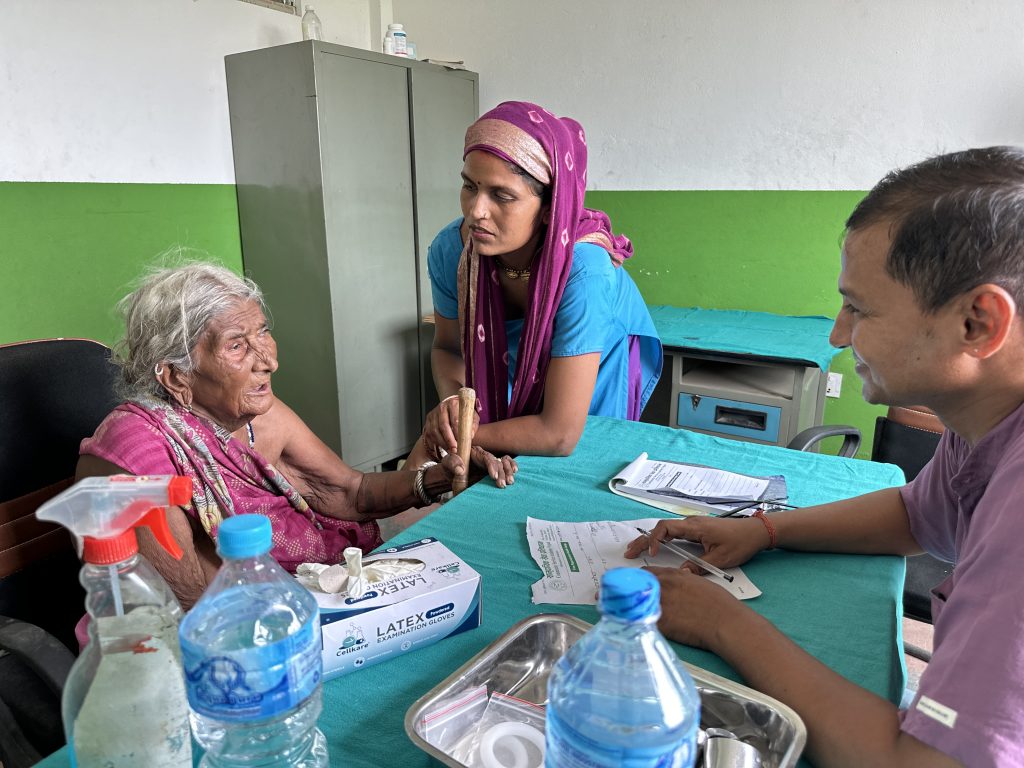
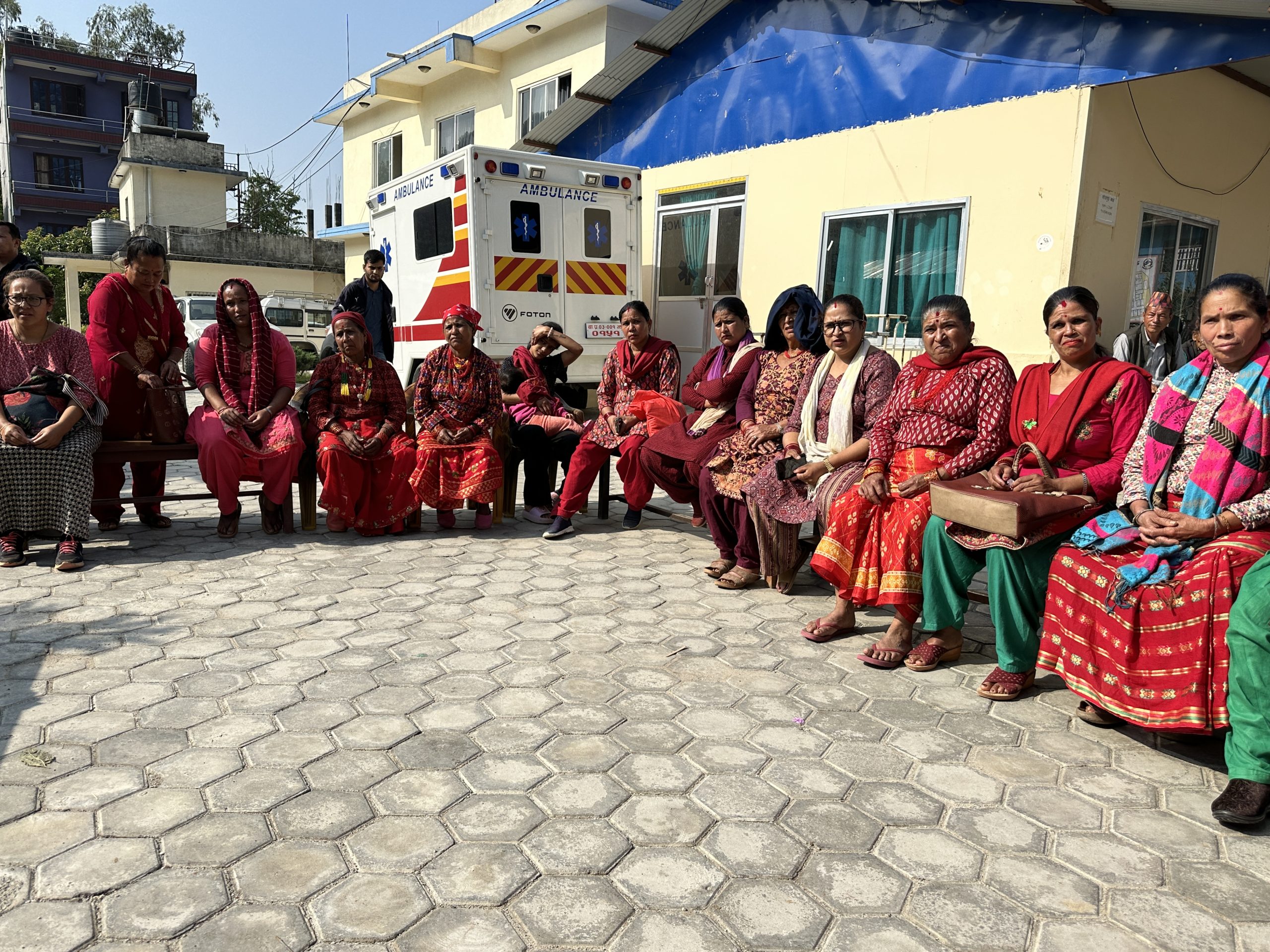
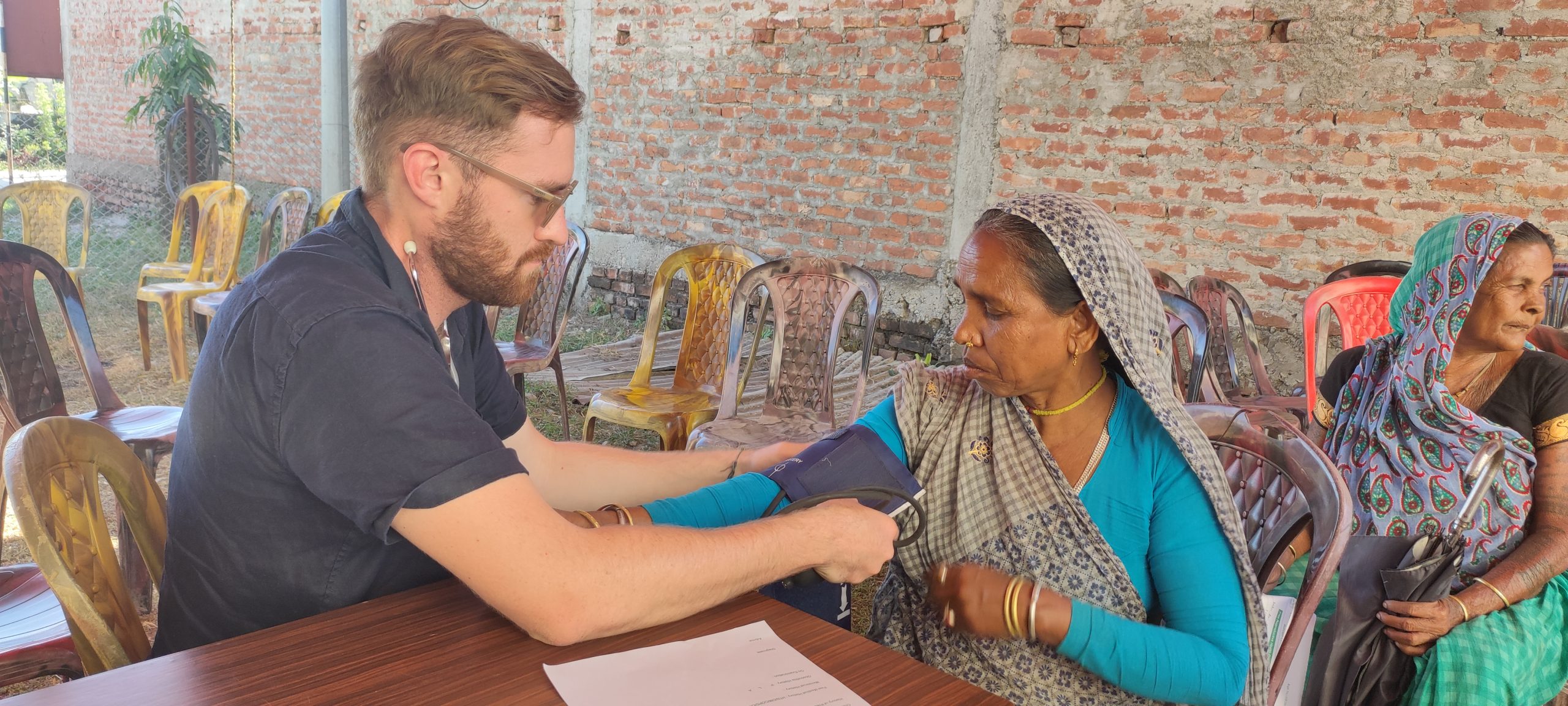
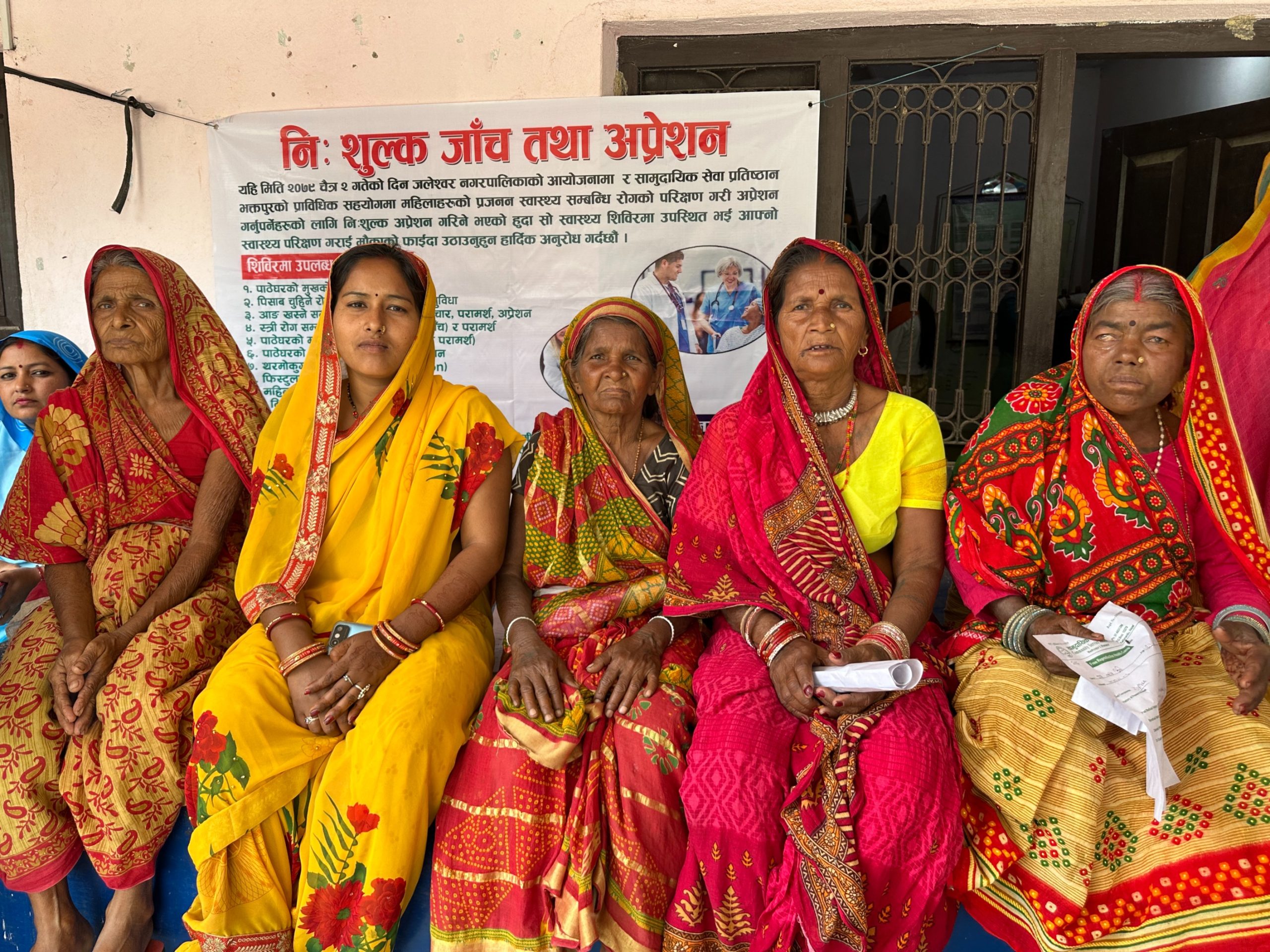
Women aged 30–60 receive on-site VIA screening for cervical cancer. Immediate treatment such as cryotherapy or thermocoagulation is provided when needed, along with guidance for follow-up care.
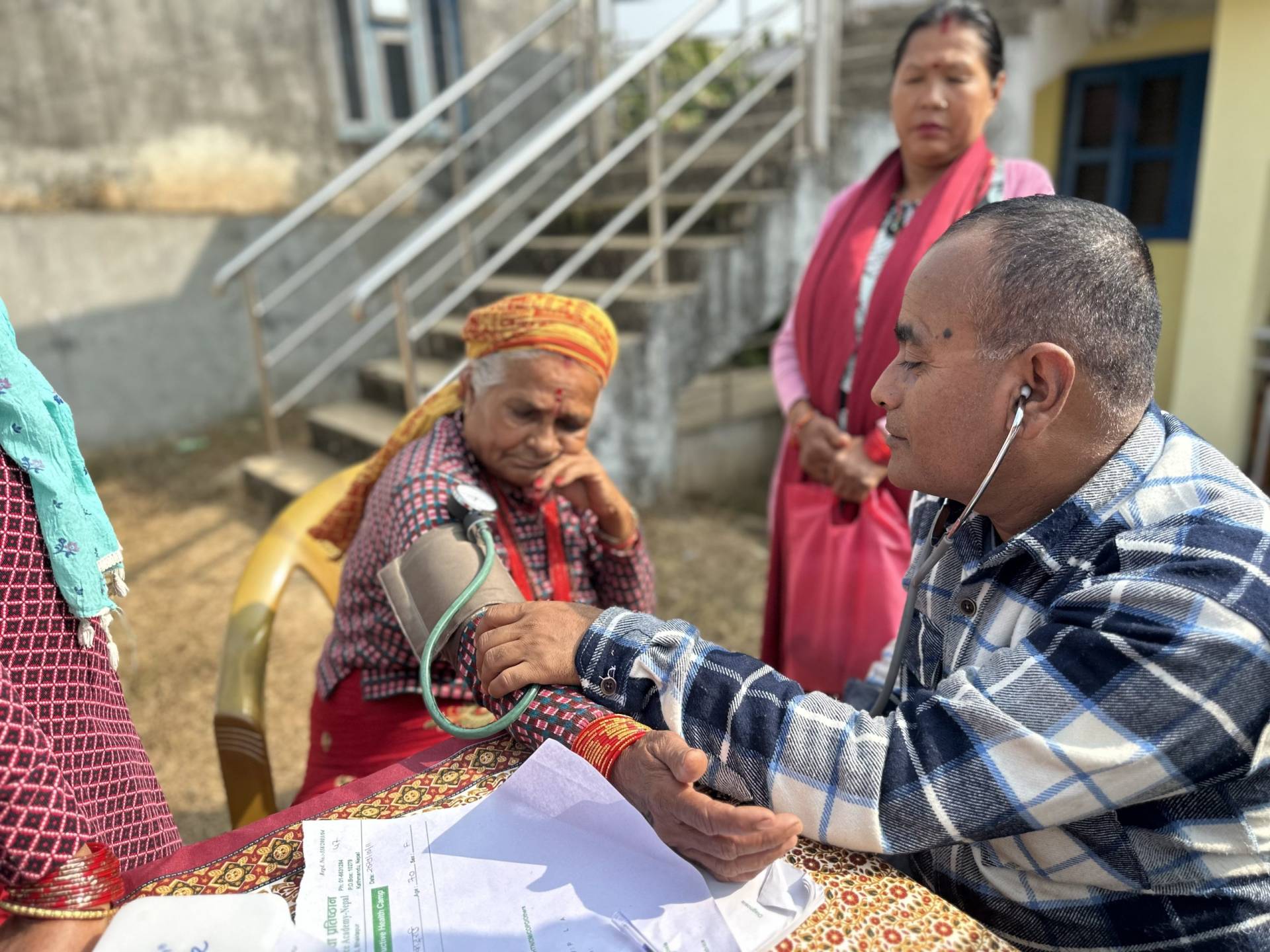
Training local health workers—ANMs, FCHVs, VHWs—on reproductive health, diagnosis, counseling, and early management, ensuring continuity after our team leaves.
Projects are launched in areas with high prevalence, local demand, and limited health access. Stakeholder meetings ensure alignment with local needs and avoid duplication of government services.
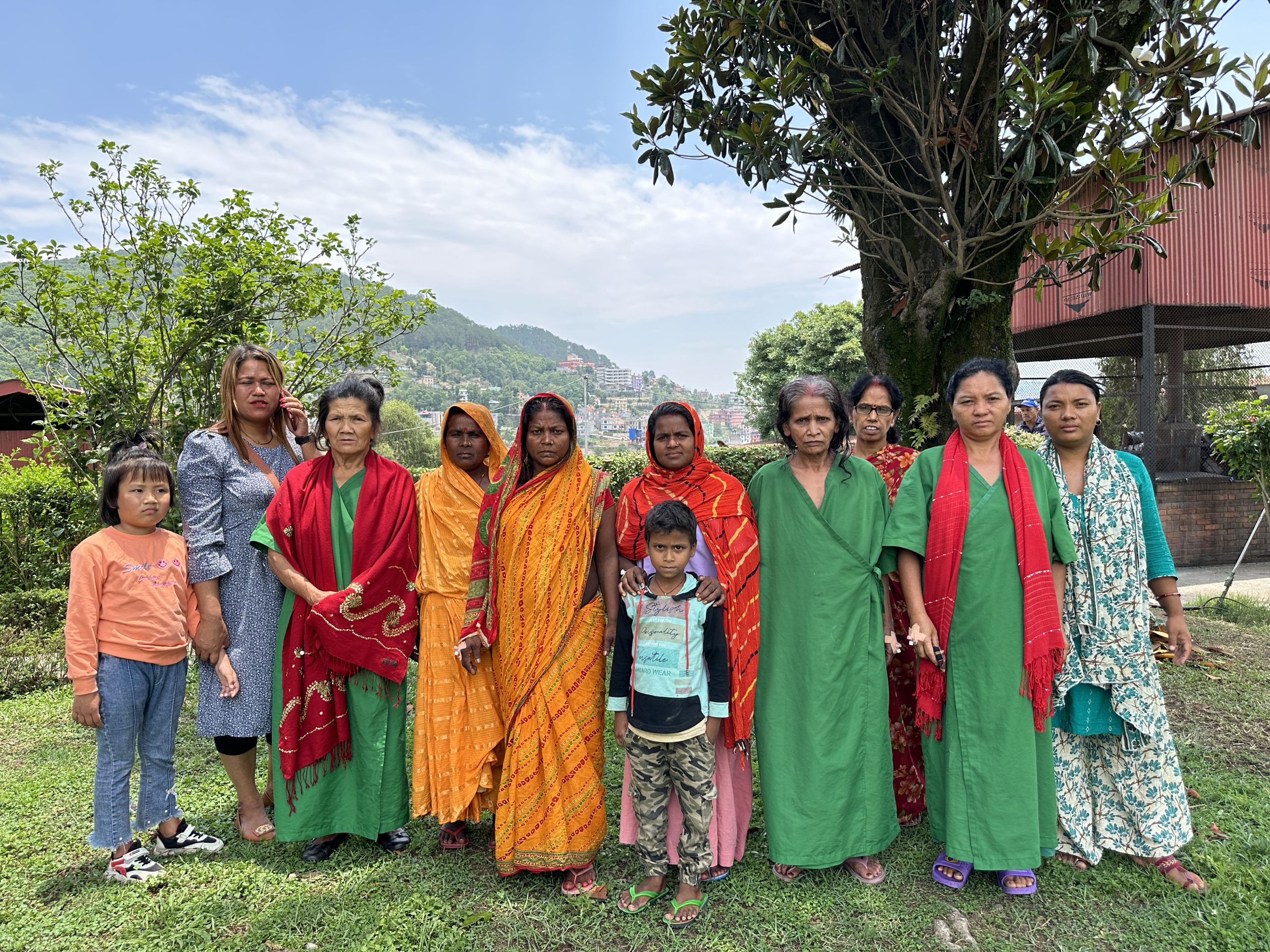
A dedicated team (specialist doctors, trained nurses, program staff, and local workers) conducts 8–12 camps annually in targeted areas, offering prevention, screening, and treatment.
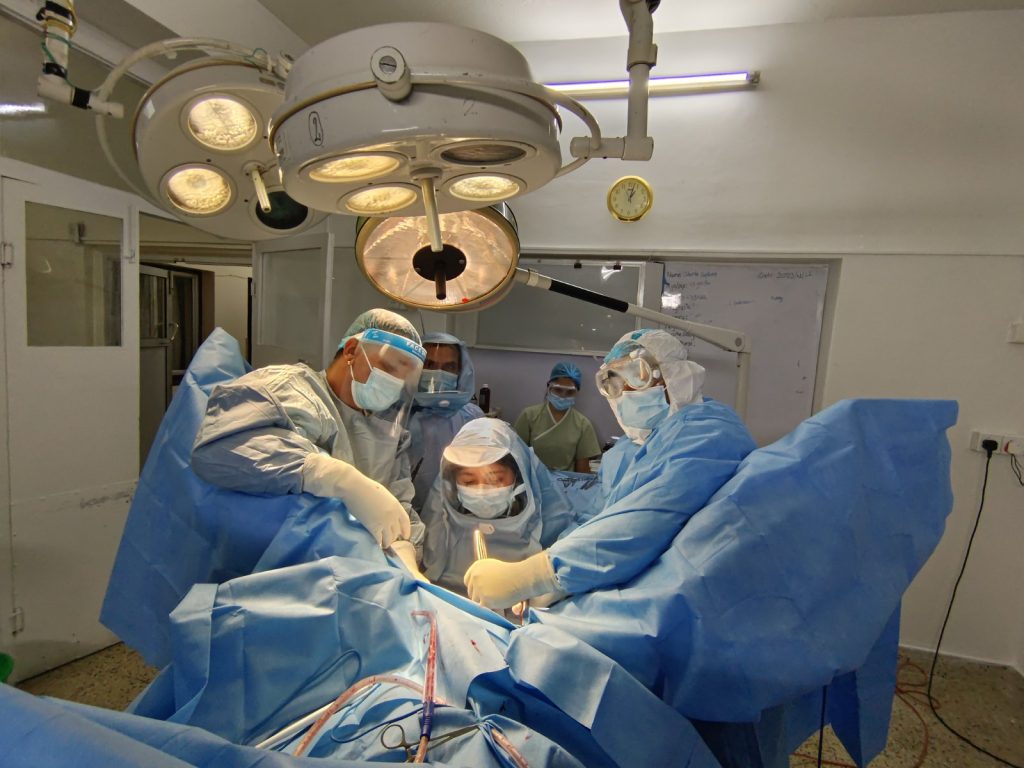
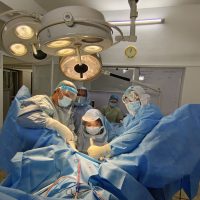
Women requiring surgery are assisted throughout the process, while those needing follow-up receive ongoing support and counseling.
Sita: Hope Against the Odds
Sita Acharya, now 62, spent most of her life in silence and suffering. Married at 14 and left with her in-laws while her husband went to India, she endured years of hard labor, discrimination, and isolation.
Her first childbirth lasted eight agonizing days and ended in the death of her baby. With no medical help and constant pressure to work, Sita soon developed symptoms of uterine prolapse. Over the years, she gave birth to several children often alone in a cowshed while battling pain, loss, and neglect from her family. One baby was born with a disability, another passed away at age two, and her youngest daughter was born while she walked home carrying water.
Sita lived like this for 27 years, believing her suffering was simply her fate.
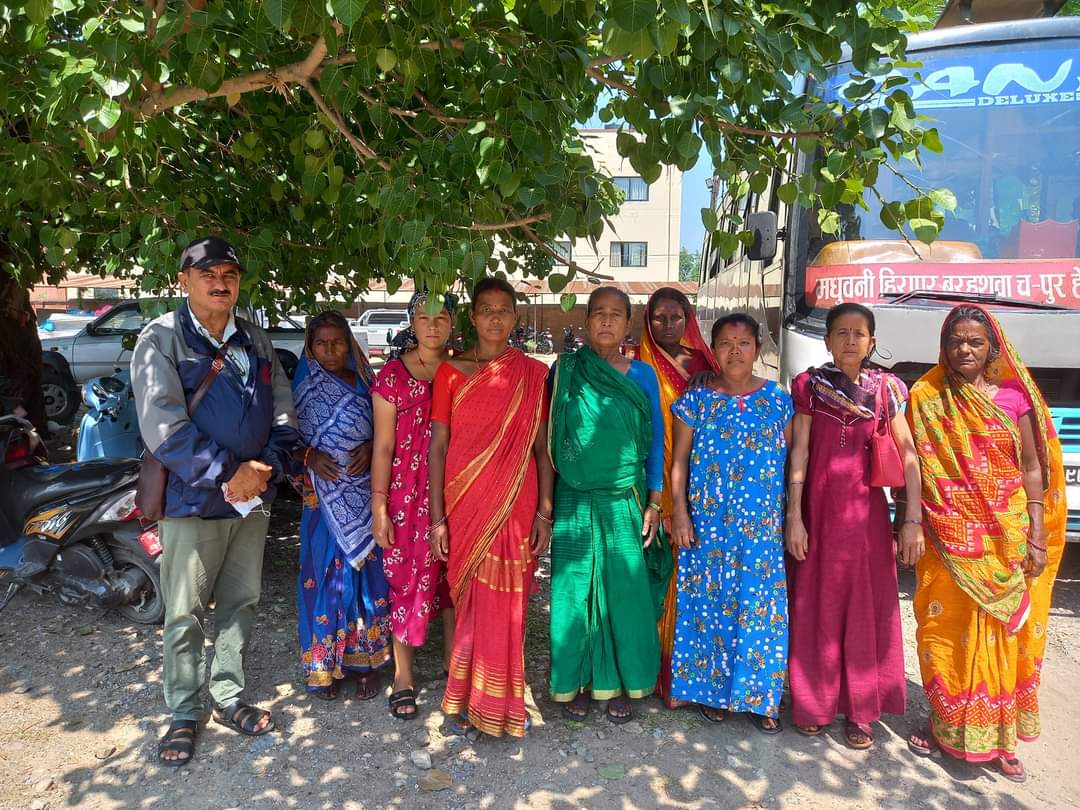
One day, she learned that COSAN was conducting a health camp nearby. She went hoping for medicine for a toothache, but instead found the first real help of her life. A nurse examined her prolapse and referred her for surgery. Despite her husband’s disapproval, Sita gathered her savings and traveled alone for her operation.
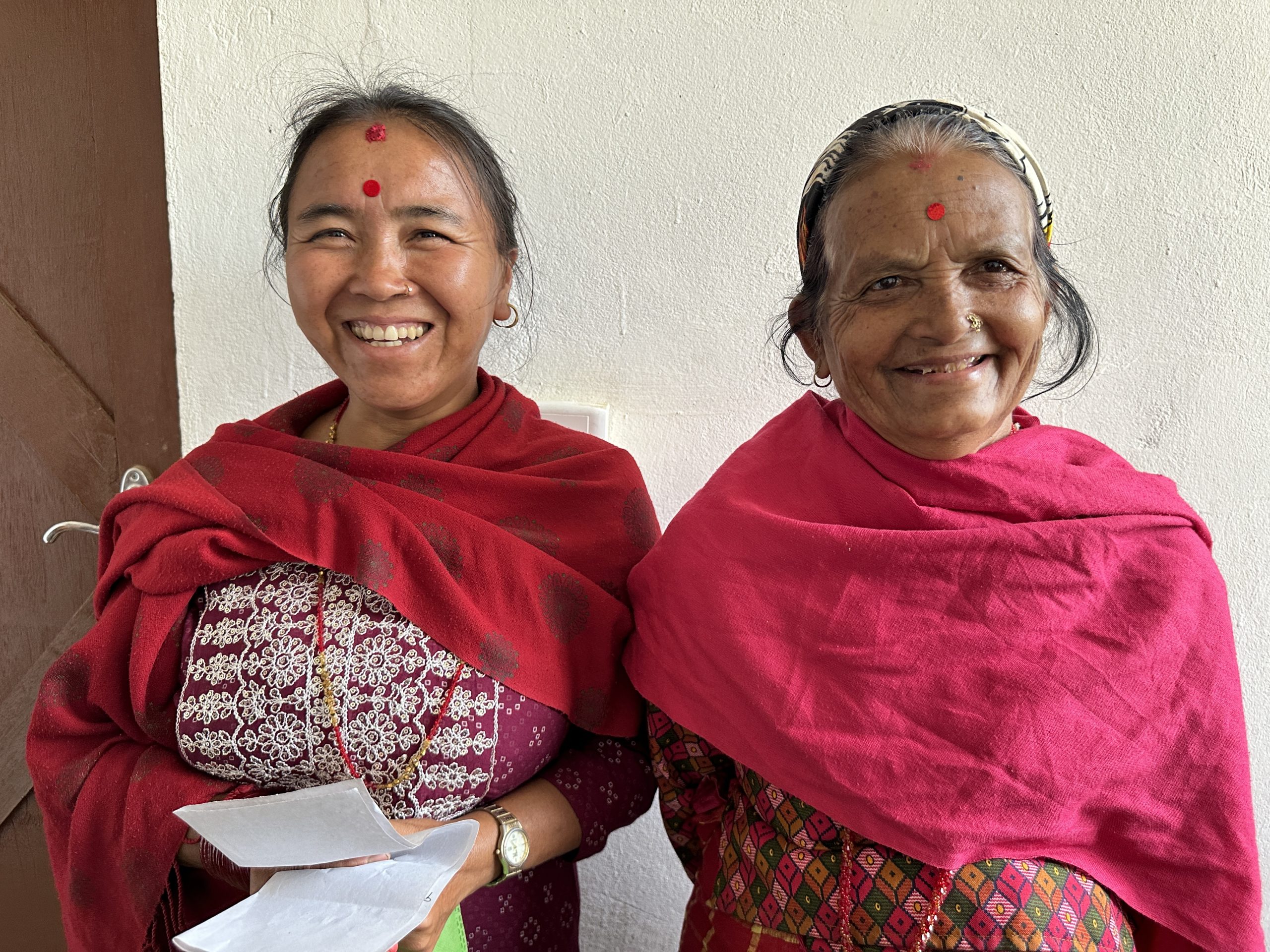
After surgery, she felt “reborn.” Free from pain for the first time in decades, Sita began encouraging other women in her village to seek help too promising to stand by them if they were afraid. She even helped her elder sister receive treatment after her own family had abandoned her.
Today, Sita is healthy, hopeful, and determined to make sure no woman around her suffers in silence again.
“You gave us a new life,” she says. “A woman’s body creates life—yet without care, it can also trap us in pain. Now I want to help others find the freedom I found.”
For 25 long years, Gomati Khadka lived with a severe uterine prolapse that made every step painful. Forced into marriage at the age of nine, she entered a life of hard labour—carrying heavy loads, fetching water for hours, and managing a household of 14 people. By her early teens, she was already exhausted, undernourished, and overworked.
At 15, Gomati endured an eight-day labour that ended in the death of her first baby. With no rest or recovery, she was sent back to work within a week. One day, while carrying fodder, she felt something slipping out of her body. Terrified and alone, she discovered a mass she could not explain. That day marked the beginning of decades of physical pain, emotional suffering, and silence.
Gomati continued her daily chores, raised children, and survived years of neglect and hardship—never seeking help, believing her condition was her fate.
At 47, she finally reached COSAN’s screening clinic in the remote mountain village of Thumpakhar. She was severely malnourished, unable to walk comfortably, and living in constant fear that her organs would “fall out” if she ate too much. The medical team identified one of the largest uterine prolapses they had ever seen.
Despite the complexity of the case, Gomati underwent life-changing surgery.
For the first time in 25 years, she could walk without pain.
With tears in her eyes as she left the hospital, she whispered,
“I never imagined I would feel this comfort in my lifetime. You have changed my life.”
Today, Gomati walks freely—no longer defined by suffering, but by resilience and hope. Supported by Asian Aid Australia, COSAN continues to reach remote villages so women like Gomati can find healing before decades pass in silence.
| M | T | W | T | F | S | S |
|---|---|---|---|---|---|---|
| 1 | 2 | 3 | 4 | 5 | ||
| 6 | 7 | 8 | 9 | 10 | 11 | 12 |
| 13 | 14 | 15 | 16 | 17 | 18 | 19 |
| 20 | 21 | 22 | 23 | 24 | 25 | 26 |
| 27 | 28 | 29 | 30 | |||
Community Service Academy Nepal (COSAN) was established in 1997, by a team of the health professionals with the vision of creating a society in which every woman is aware of reproductive health and every child obtains the right to survival, protection, development and participation.
Join our mission to bring hope and change.